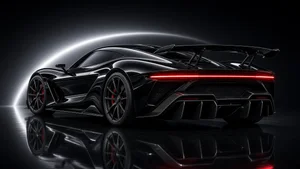

The Future of Personal Commuting: A Thrust Roadster Owner's View
A car drove up a wall, came back down on air, and reminded me that the way we get around is still being invented. As a Thrust Roadster owner (mine is the Roadster Thrust G007), here's what Tesla showed, who built it, and what you can take from it this week.
By Paul Gravette · Entrepreneur ($3+ billion in sales from personally owned companies) | Private Equity | Family Office | Philanthropy
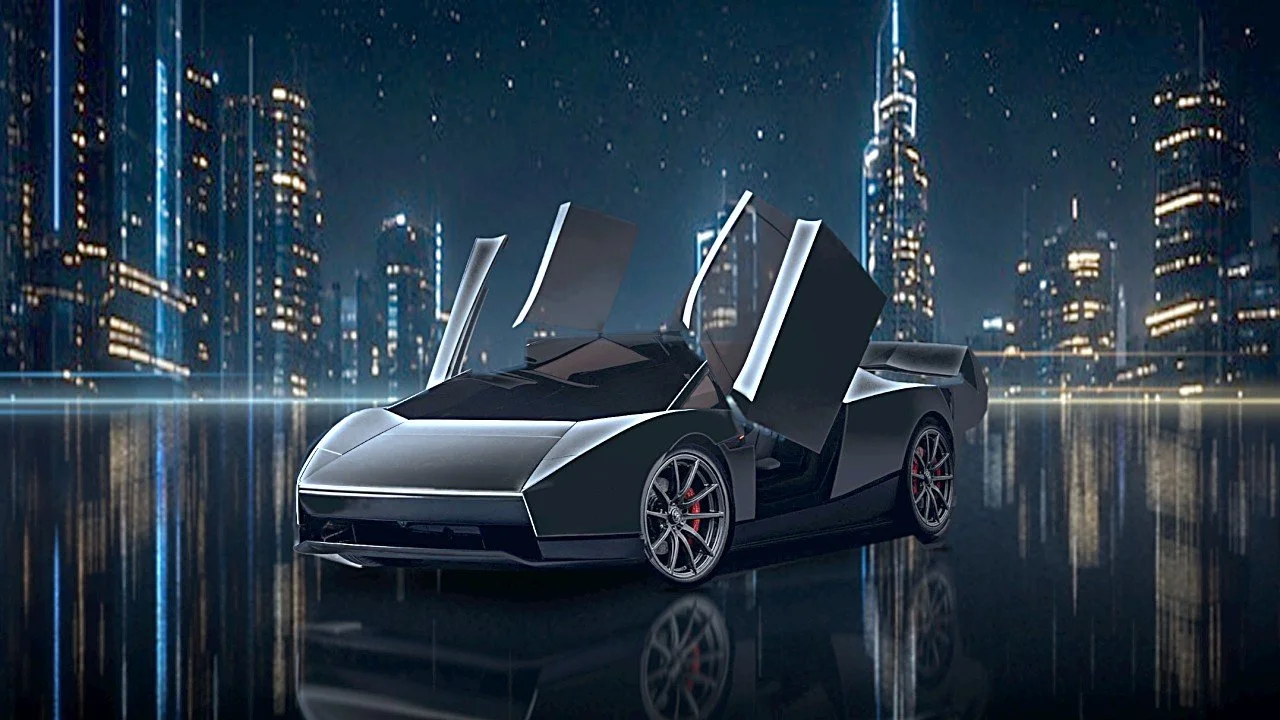
Roadster Thrust G007. Digitally edited Tesla photo, illustration only.
The future of how we get around won't arrive all at once. It shows up in pieces, usually in a demo that looks impossible, and then slowly becomes ordinary. On Thursday night in Texas, Tesla and SpaceX showed one of those pieces.
As a Thrust Roadster owner, I watched with more than a passing interest. I'm excited, and I'm also clear-eyed that a demo is not a delivery. What I saw on Thursday was a team of engineers proving that a car can be controlled in ways most of us never imagined, and that is worth celebrating on its own terms.
What Tesla showed
The event took place on October 15 at SpaceX's rocket test site in McGregor, Texas, near Waco, and streamed live on Tesla's X account. Tesla's own clips tell the story better than I can.
First, the car climbed a tall curved ramp. Engadget reported two runs: on the first, the car stopped partway up, hanging upside down; on the second, it jumped off the top, flipped, and its thrusters eased it down to the ground. Tesla says a fan and ground-sealing system pulls air from under the car, creating enough suction to hold it upside down even when it's standing still. The thrusters are cold-gas thrusters, small nozzles that fire bursts of compressed air, and Tesla says they make micro adjustments within a fraction of a second to steady the car in flight.
Real life, baby
— Tesla (@Tesla) October 15, 2026
Later in the show, the car lifted off and passed over a row of parked vehicles.
Turns out the future does have flying cars
— Elon Musk (@elonmusk) October 15, 2026
Tesla followed up with one more stunt clip.
Do a kickflip!
— Tesla (@Tesla) October 15, 2026
Elon shared a highlight reel from the demo.
— Elon Musk (@elonmusk) October 15, 2026
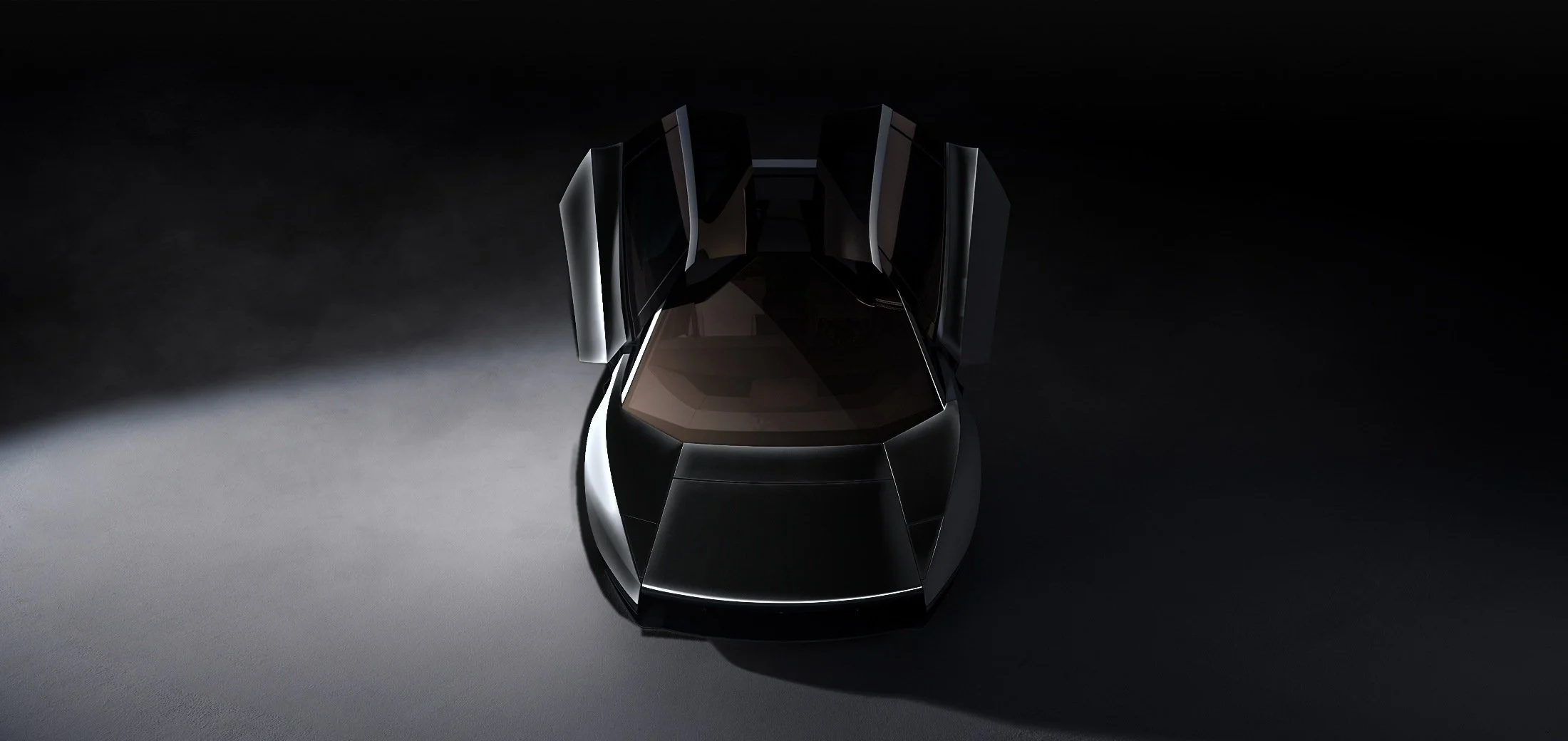
Gloss black with Tesla’s Gold Glazed glass. Digitally edited Tesla photo, illustration only.
The light version of the spec sheet
My car is the Roadster Thrust G007. Tesla's Roadster page calls it race ready, with seating for two and cold-gas thrusters in the rear that take it from 0 to 60 in under one second. Then there's the one everybody will be talking about: Rocket, the invite-only model. It seats one, has thrusters around the whole car, and Tesla's page says it plainly: "So yes, it can fly." I'm not getting that one. I'll happily cheer it on from the ground. Tesla notes that Rocket is not approved for public road use.
Reservations are open on Tesla's site. Production is targeted for 2028, as reported by Reuters and TechCrunch. No final price was announced, and whether thruster features will be legal on public roads where you live is still an open question.
Tesla says the Roadster's new drive unit is about a third more powerful than the Model S Plaid's, at half the mass, as shared by Sawyer Merritt.
Here is the @Tesla Roadster’s battery and drive unit, which is one-third more powerful than the Model S Plaid’s, with half the mass.
— Sawyer Merritt (@SawyerMerritt) October 15, 2026
Here's the active rear wing in action.
New Tesla Roadster wing in action.
— Sawyer Merritt (@SawyerMerritt) October 15, 2026
Roadster
— Tesla (@Tesla) October 15, 2026
The last best driver's car
The people behind it
A car like this is the work of a lot of people, most of whom we'll never see on stage. I want to name the ones I can verify and thank the rest.
Elon Musk, Tesla's CEO, who first floated the idea of a SpaceX thruster package for the Roadster in 2018 and presented the car on Thursday. He called it "the culmination of incredible work by Tesla and SpaceX Engineers working closely together."
Franz von Holzhausen, Tesla's design leader, who took the stage with Lars Moravy to open the presentation. Tesla says the Roadster's design is inspired by the SR-71 and the F-35.
Lars Moravy, Tesla's vice president of vehicle engineering, who walked the audience through how the thrusters work.
The SpaceX team, who hosted the event at McGregor and whose thruster know-how is in this car. Tesla wrote that SpaceX has used thrusters to position spacecraft for decades, and that making them work in a vehicle instead of a vacuum took all-new hardware and controls.
The Optimus team, whose actuator system drives the Roadster's moving wings, according to Tesla.
And the original Roadster team, led by founding CEO Martin Eberhard, whose car was first delivered in 2008. In Tesla's words, that car had one job: to prove that an electric car could be fast and worth wanting.
To every engineer, designer, technician and test driver who worked on this: thank you. Showing a hard thing working in public, in front of a live crowd, takes courage.
Top Gear got early access to the new Tesla Roadster with Franz and Lars.
— Sawyer Merritt (@SawyerMerritt) October 16, 2026
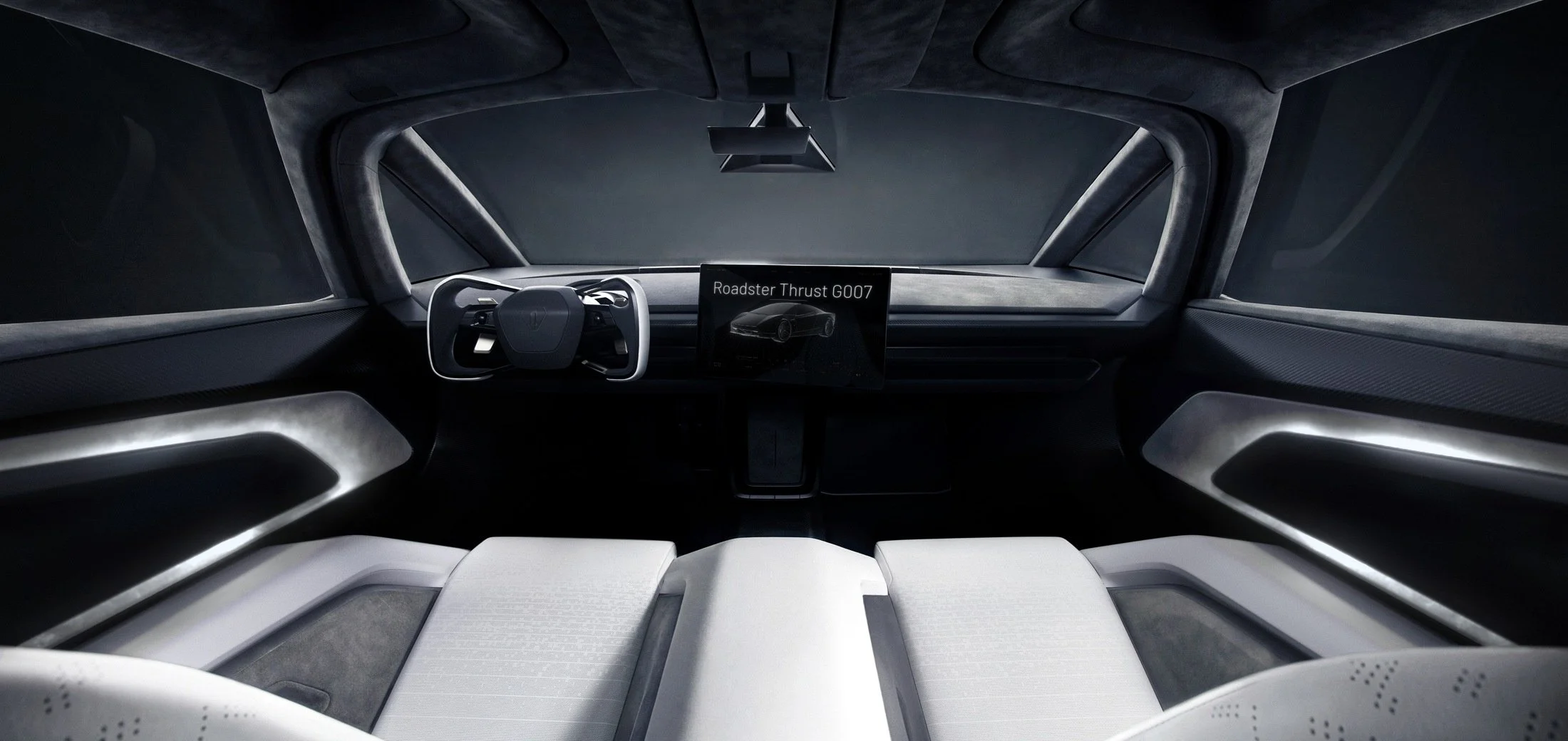
Interior with a white ambient glow and a custom screen. Digitally edited Tesla photo, illustration only.
Here’s what it’s like to sit in the new Tesla Roadster, and what the on-screen controls look like.
— Sawyer Merritt (@SawyerMerritt) October 15, 2026
Why this matters for how we get around
You and I are not going to fly to work in 2028. What Thursday showed is quieter and, I think, more important: software is now steering physics in real time. The thrusters correct the car within a fraction of a second. The steering is by wire, meaning electronic signals instead of a mechanical link. Engadget reported that the stunts were programmed into the car. That is the same direction the rest of personal transport is moving: cars that sense, decide and adjust faster than a person can.
The lesson I take from it is the one I use with every new technology, including AI tools: watch what actually works on camera, then read the terms before you commit. Excitement and patience can live together.
What you can take from it
Most of us won't buy a Roadster. All of us can borrow the habit. Use AI to keep up with fast-moving news without drowning in it, and to turn fine print into plain words before you make a decision.
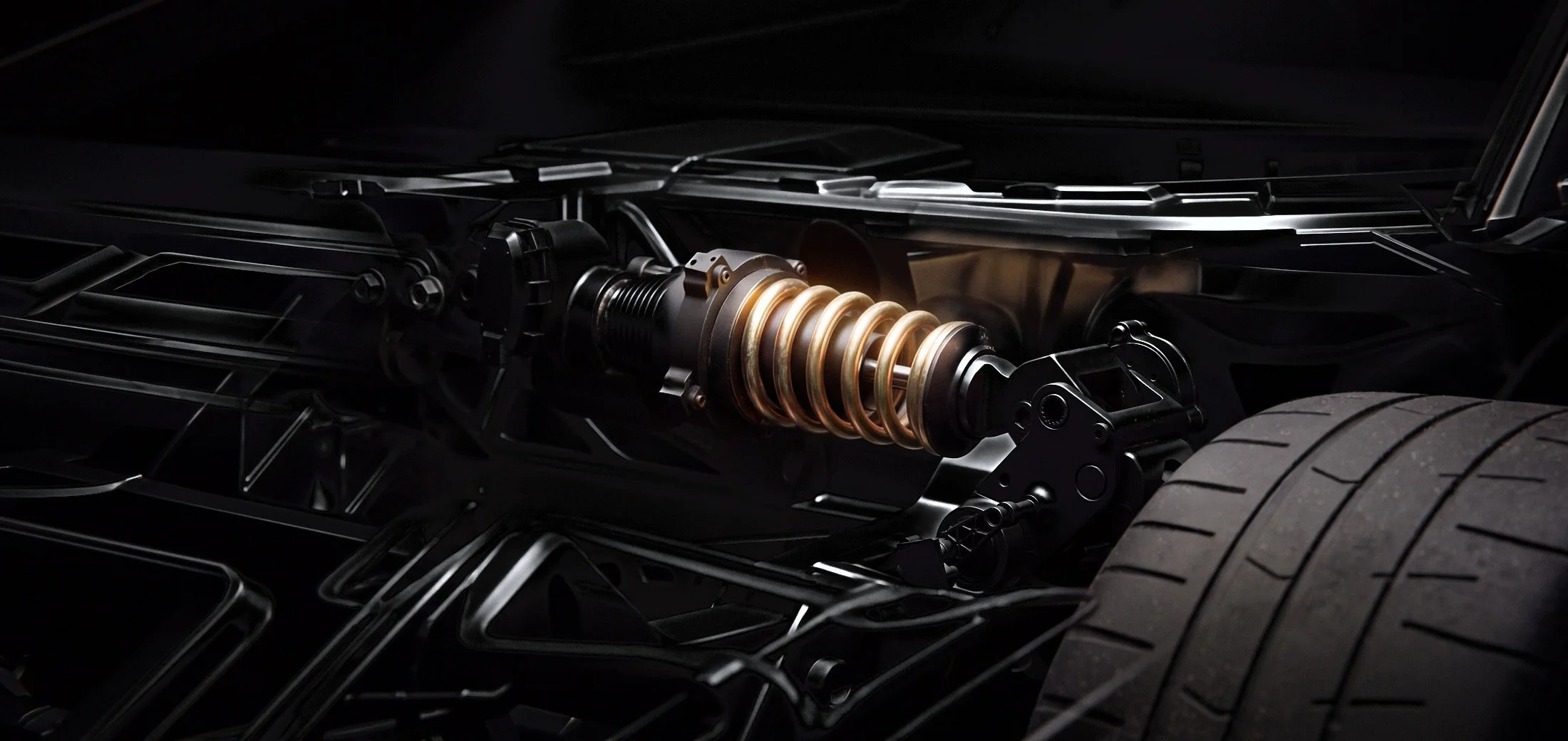
Mass Control chassis in gloss black. Digitally edited Tesla photo, illustration only.
The future of getting around is being built in public, one hard demo at a time. That's why I'm a Thrust Roadster owner: not for the stunt, but for a front-row seat to how fast this is moving. The people who win with it are the ones who stay curious, test small and keep learning. That's how you engineer your future.
"The future rarely arrives all at once. It shows up as a demo, earns our trust, and then becomes ordinary."
— Paul
Try this this week
Turn fine print into plain words. Paste a reservation page, a subscription agreement or a pre-order offer into an AI assistant and ask: "What do I pay today, what's refundable, and what happens if I cancel?" Then check its answer against the page itself.
Track one thing you care about, from official sources only. Ask an AI assistant to check one company's own website and X account once a week and tell you only what changed. Fewer headlines, better information.
Run one small test on a real task. Pick a prompt from Try It This Weekend and use it on something you'd normally do by hand. If slow replies are costing you customers, the free Speed-to-Lead calculator shows what they may be costing you each month.
From Roadster in a rocket
— Tesla (@Tesla) October 15, 2026
To rocket in a Roadster
Disclaimer: This article is for general information only. It is not financial, investment, legal or tax advice, and it is not an endorsement of any product. Product details and timing are as Tesla and the outlets cited described them on October 15, 2026, and may change; production dates are forward-looking. Check Tesla's own pages before you reserve anything. Tesla did not pay for or review this article. AI tools can make mistakes, so check their answers against the original source. Try It This Weekend and the Speed-to-Lead calculator are free pages on PaulGravette.com. No links in this article are affiliate links. Videos and posts: Tesla, Elon Musk and @SawyerMerritt on X, embedded from the original posts.
Sources
Tesla on X, Roadster event announcement (Oct 13, 2026). https://x.com/Tesla/status/2110165104713183485
Tesla on X, "Real life, baby" event clip (Oct 15, 2026). https://x.com/Tesla/status/2110913438293647789
Elon Musk on X, "Turns out the future does have flying cars" (Oct 15, 2026). https://x.com/elonmusk/status/2110913107094606330
Tesla on X, "Roadster: The last best driver's car" launch film (Oct 15, 2026). https://x.com/Tesla/status/2110906094155399277
Tesla on X, Roadster configurations (Oct 15, 2026). https://x.com/Tesla/status/2110905588402295283
Tesla on X, "Beyond the limits of physics" (Oct 15, 2026). https://x.com/Tesla/status/2110907039493038577
Tesla on X, SpaceX thrusters and pressure vessels (Oct 15, 2026). https://x.com/Tesla/status/2110904290743402880
Tesla on X, design language, SR-71 and F-35 (Oct 15, 2026). https://x.com/Tesla/status/2110903770838384773
Tesla on X, Track Mode and Optimus actuators (Oct 15, 2026). https://x.com/Tesla/status/2110905133785829671
Tesla, Roadster product page. https://www.tesla.com/roadster
Tesla, Roadster reservation page. https://www.tesla.com/en_US/roadster/reserve
Reuters via Investing.com, "Tesla unveils next generation Roadster sports EV with SpaceX thrusters," Oct 15, 2026. https://www.investing.com/news/stock-market-news/tesla-set-to-unveil-next-generation-roadster-sports-ev-after-years-of-delay-4951021
TechCrunch, "Tesla reveals SpaceX-powered Roadster that flies and falls with style," Oct 15, 2026. https://techcrunch.com/2026/10/15/tesla-reveals-spacex-powered-roadster-that-flies-and-falls-with-style/
CNBC, "Tesla Roadster reveal: What to know about the delayed EV," Oct 15, 2026. https://www.cnbc.com/2026/10/15/tesla-roadster-reveal-what-to-know-about-the-delayed-ev.html
The Verge, "The Tesla Roadster flew, drove upside down, and hit 60mph in under a second," Oct 16, 2026. https://www.theverge.com/transportation/1012552/tesla-roadster-next-gen-reveal-elon-musk
Engadget, "Tesla's redesigned Roadster has a cold-gas thruster option," Oct 15, 2026. https://www.engadget.com/2288437/teslas-redesigned-roadster-cold-gas-thruster-option-reservation/
Tesla on X, "In 2008, Roadster had one job" (Oct 15, 2026). https://x.com/Tesla/status/2110899607396081720
Tesla Mag, live presentation report (on-stage opening by von Holzhausen and Moravy), Oct 15-16, 2026. https://www.tesla-mag.com/nouveau-tesla-roadster-presentation-direct/
Tesla on X, "Do a kickflip!" (Oct 15, 2026). https://x.com/Tesla/status/2110926164306931860
Elon Musk on X, Roadster demo highlight reel (Oct 15, 2026). https://x.com/elonmusk/status/2110923689797808453
Sawyer Merritt on X, Roadster battery and drive unit (Oct 15, 2026). https://x.com/SawyerMerritt/status/2110934079616987536
Sawyer Merritt on X, Roadster rear wing in action (Oct 15, 2026). https://x.com/SawyerMerritt/status/2110931813052944524
Sawyer Merritt on X, Top Gear early access with Franz and Lars (Oct 16, 2026). https://x.com/SawyerMerritt/status/2111090532248350951
Sawyer Merritt on X, Roadster interior and on-screen controls (Oct 15, 2026). https://x.com/SawyerMerritt/status/2110937454580797625
Tesla on X, "From Roadster in a rocket / To rocket in a Roadster" (Oct 15, 2026). https://x.com/Tesla/status/2110933466053562557