
Inside Cove Soda: Why the Soda Aisle Is Changing
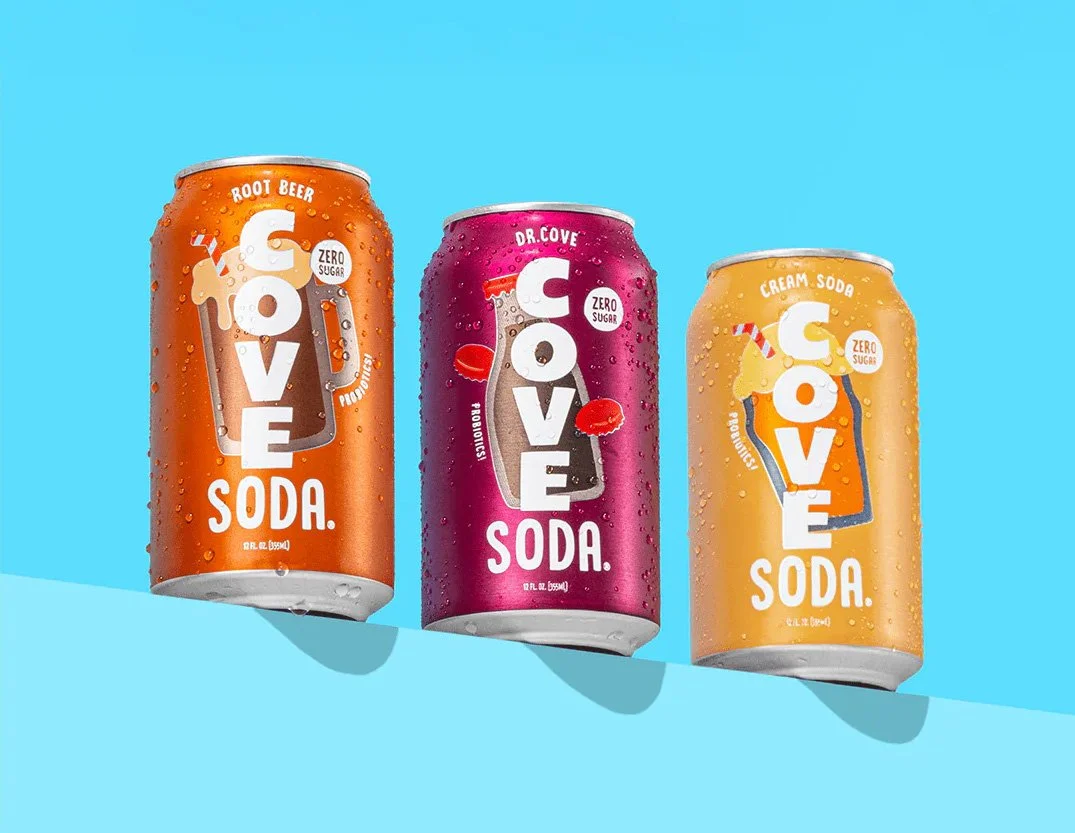
Cove Soda blends classic soda taste with a modern, zero-sugar approach.
A Smarter Approach to Soda
The beverage industry is undergoing a quiet but meaningful transformation. What started as a niche reaction to sugar has evolved into a real category with scale, velocity, and serious strategic attention from the world’s largest consumer brands.
Cove Soda sits at the center of that shift.
Founded in Canada in 2017 and now scaling rapidly across the United States, Cove Soda is a zero-sugar, low-calorie probiotic soda built to solve a problem the category struggled with for years: how to make a healthier soda that still tastes like soda. Each can contains zero sugar, 0–10 calories, 1 billion CFUs of probiotics, and 80% of daily vitamin C, without artificial sweeteners, dyes, or preservatives. Cove does not ask consumers to compromise. It simply delivers a better soda.
That clarity of product and execution is what initially caught our attention.
The Category Most People Still Underestimate
Healthy soda is no longer experimental. The category has grown from roughly $100 million in 2019 to about $1.5 billion today, making it the fastest-growing segment in beverage. Long-term projections put it on track to reach $8 billion by 2035, while still representing only a small fraction of the overall soda market.
That combination of rapid growth with low overall penetration is exactly what strategic buyers look for.
Recent transactions have validated the opportunity. Poppi’s acquisition by PepsiCo and Olipop’s multi-billion-dollar valuation were not anomalies. They were confirmation that legacy beverage companies are actively buying their way into relevance as consumer preferences shift away from sugar-heavy products.
Where Cove Stands Apart
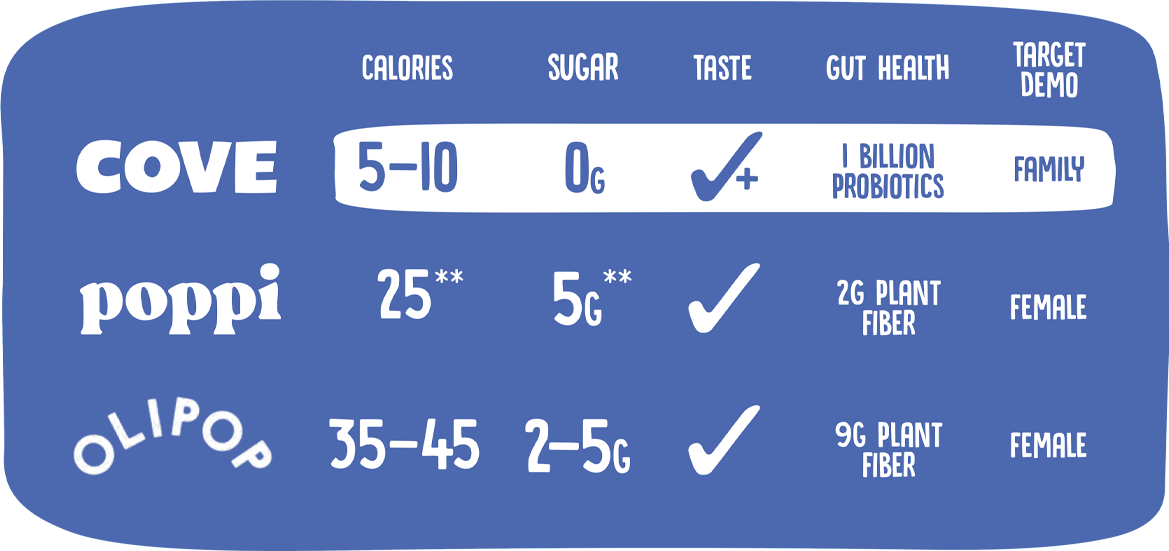
What differentiates Cove is not just what it removed, but what it preserved.
Many modern soda brands compromised taste in pursuit of function. Cove took a different approach. Its formulation delivers a flavor profile consumers consistently describe as the closest to traditional soda in the category, without relying on apple cider vinegar that limits flavor flexibility, heavy fiber loads that can cause digestive discomfort, or aggressive sweetness masking.
That distinction matters. It allows Cove to attract traditional soda drinkers, not just health-first consumers.
The results show up clearly in retail performance. Since launching in the U.S., Cove has expanded into roughly 5,000 retail locations, including Target, Whole Foods, Sprouts, HEB, Albertsons, and Costco. Despite limited shelf space and minimal promotional spend, Cove has already emerged as the number three healthy soda brand at Target within months of launch, outperforming several better-funded competitors.
Sales have grown from $6 million in 2023 to a projected $31 million in 2025. That growth was achieved with less than $10 million raised to date. In beverage, that level of capital efficiency is rare.
A Market Ripe for the Next Leader
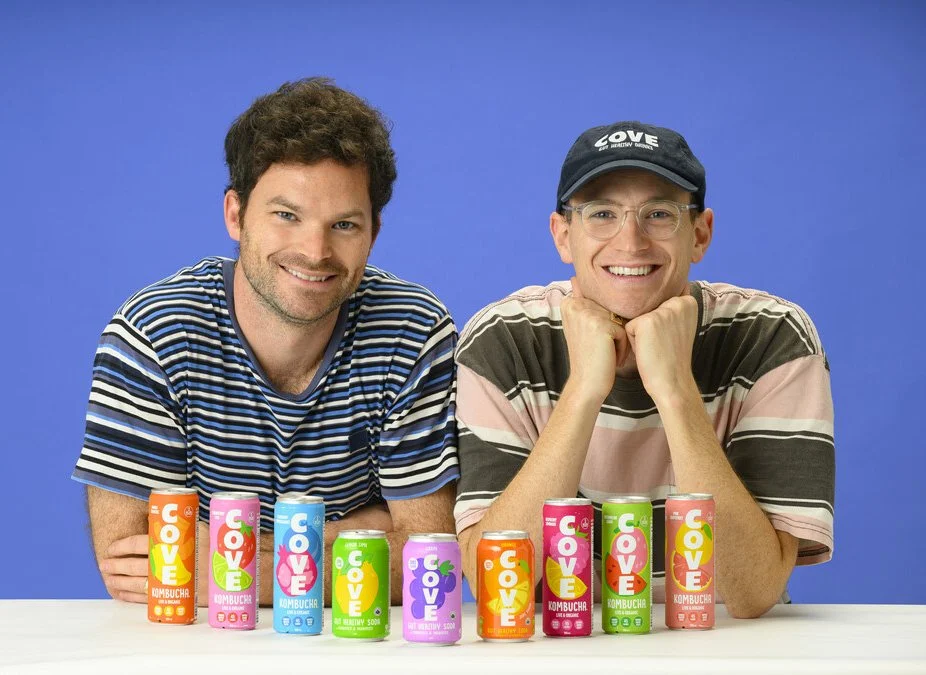
Founded by brothers John and Ryan MacLellan, Cove debuted as Canada’s first zero-sugar functional soda.
Today, roughly three-quarters of the healthy soda category is controlled by two brands. History suggests that structure does not last.
Retailers want a strong third option. Distributors want diversification. Strategic acquirers want scale without paying a premium for the last remaining asset. Cove is increasingly positioned to fill that gap, with momentum across national retailers and a product roadmap that includes new flavors, expanded formats, refrigerated placement, and culturally relevant collaborations.
From an investment standpoint, that creates an attractive risk-reward profile. Meaningful revenue and distribution are already in place, paired with significant upside in a category that is actively consolidating.
Why We Moved Forward
Our investment approach prioritizes lasting change over short-term trends. Cove fits that framework nicely.
The shift away from sugar is structural. Retailers are reallocating shelf space with intention. Large beverage companies are making long-term moves, not experiments. These changes are being driven by health awareness, generational preferences, and how people actually consume beverages today.
Cove’s team has demonstrated disciplined execution, responsible scaling, and the ability to adapt as the market evolves. Those qualities matter far more than hype. Combined with strong retail traction and a sensible entry point relative to comparable outcomes in the category, moving forward was a measured decision.
On a personal level, some opportunities feel less like a leap and more like common sense. Cove was one of those moments for me.
You can analyze the data endlessly, but sometimes the most revealing test is simple. Does the product work? In this case, the answer was immediate.
“Most ‘better-for-you’ sodas ask you to pretend. Cove doesn’t. It tastes like soda. That’s the whole point, and that’s why it’s working.”
What stood out was not just the formulation, but the restraint. Cove did not try to over-educate or over-engineer the product. It focused on solving the one problem most brands in this space missed. People still want soda. They just do not want the consequences that come with it.
Looking Ahead
Cove has a credible path to becoming the leading independent healthy soda brand and a highly attractive strategic asset over the next several years. As consolidation continues and established beverage companies look to secure their place with modern consumers, brands with real traction and operational discipline will stand out.
Cove is building exactly that kind of platform.
I’m excited to be aligned with their team and to support the next phase of their growth.