
Goldman Sachs Just Told You What SpaceX Is Really Building
A 9,900% revenue forecast isn't a typo. It's a thesis — and it changes how serious investors need to think about the next wave of AI.
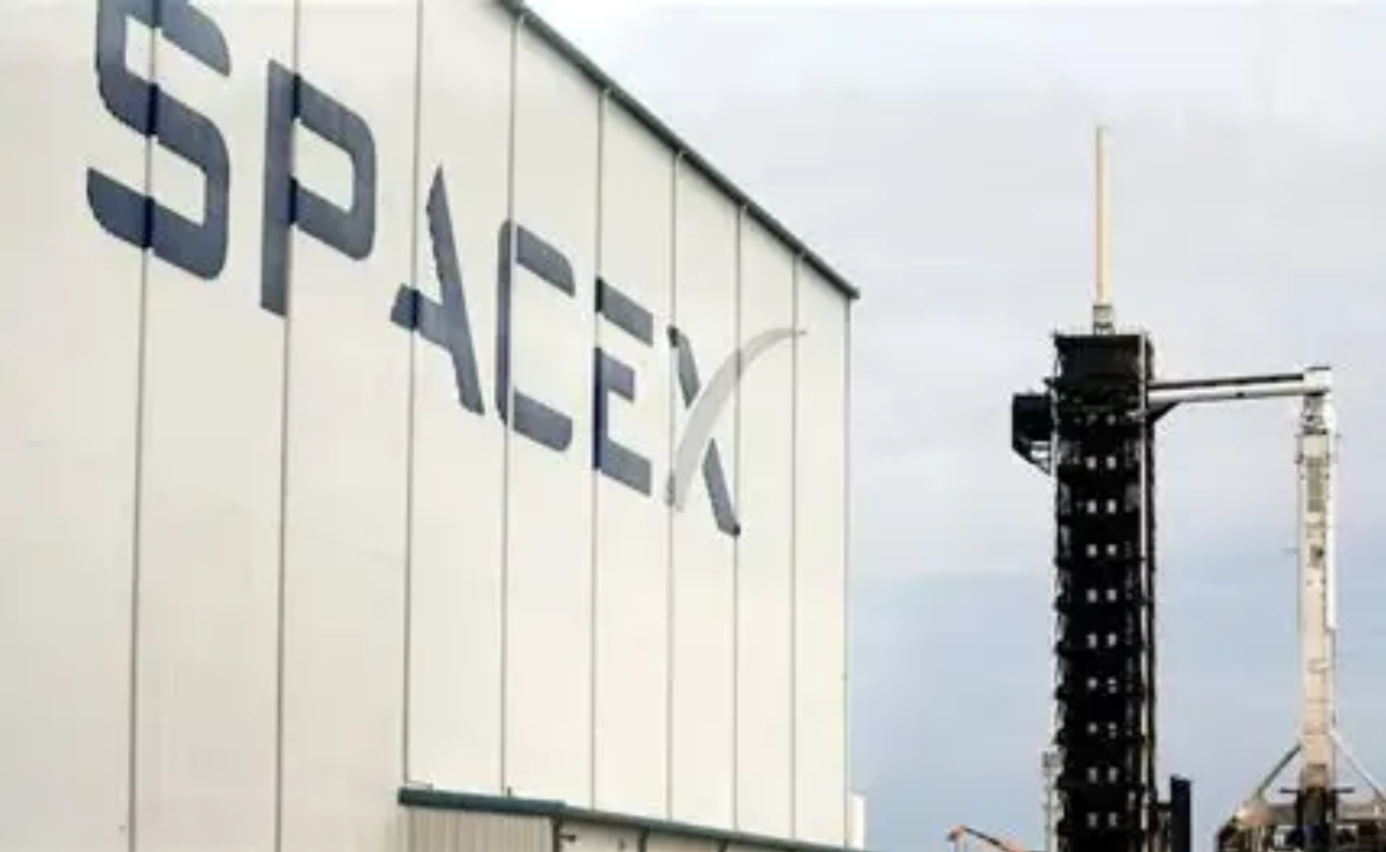
When Goldman Sachs publishes a forecast this aggressive, you stop and read it twice.
Their projection: SpaceX's AI division grows from $3.2 billion in revenue in 2025 to $322 billion by 2030. That is a 9,900% increase in five years. That number alone is worth sitting with. But what it implies is even more important than the number itself.
Goldman is not predicting that SpaceX gets better at launching rockets. They are predicting that SpaceX becomes one of the largest AI businesses in the world — and that the rockets and satellites are the infrastructure layer that makes it possible.
That reframe matters a lot.
The Stack Nobody Is Talking About
Most of the conversation around AI right now focuses on models — which lab has the best one, who's closing the gap, what the next benchmark looks like. That's the race people can see.
The race that actually determines long-term winners is happening at the infrastructure layer.
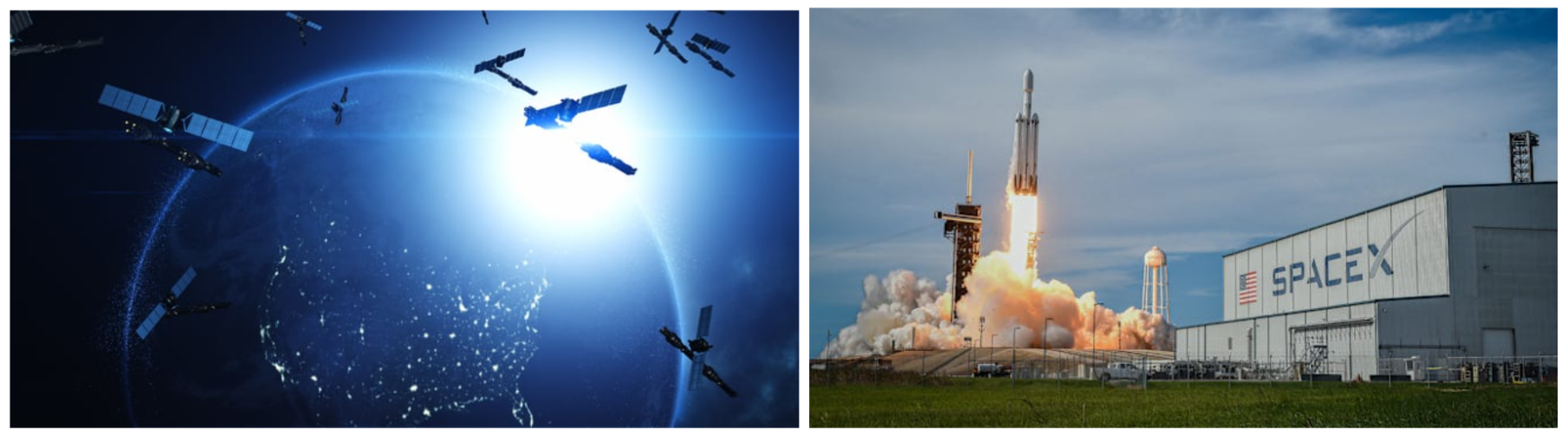
Goldman's model is built on a specific thesis: SpaceX's infrastructure, satellite network, and compute ambitions can be turned into an AI business larger than many current frontier AI labs. Starlink is not just an internet satellite business. It is a global connectivity layer. In Goldman's framing, rockets are the transport layer, Starlink is the connectivity layer, and AI is the revenue engine sitting on top of both.
That is a fundamentally different business than the one most people think they're investing in when they hear the name SpaceX.
Why the IPO Number Makes Sense — If You Believe the Thesis
A lot of people looked at the reported $75 billion IPO raise targeting a $1.75 trillion valuation and called it aggressive. And in isolation, it is.
But Goldman is explicit about why the number is that large: investors are not only being asked to buy into launch revenue. They are being asked to buy into a future AI platform. The valuation only works if the AI thesis works.
Goldman also acknowledges the risks directly. These numbers depend on SpaceX creating a massive AI market that still has major unanswered questions — around demand, competition, and execution. None of that should be waved away.

What This Signals for Every Serious Investor
Whether or not SpaceX executes on this exact forecast, the Goldman analysis points to something that is increasingly hard to ignore: the most valuable position in AI is not the best model on a given Tuesday. It is ownership of the physical stack underneath — the compute, the connectivity, the distribution.
The businesses that own that infrastructure are the ones building real moats. And the investors paying attention to where that stack is being assembled right now, before it becomes obvious, tend to be best positioned when the rest of the market catches up.
Goldman Sachs did not publish a 9,900% growth forecast because they are optimistic. They published it because the structural logic of SpaceX's position — launch capability, global satellite coverage, compute ambitions — points somewhere very large, very fast.
You can debate the exact number. The direction it's pointing is not really in debate anymore.
"The Goldman forecast isn't just about SpaceX. It's a signal that the most valuable real estate in AI isn't a model — it's the infrastructure underneath it."
— Paul Gravette, CEO & Founder, Gravette Capital
When investing in the world of technology, it helps to be able to see into the future. We invested early into SpaceX because we believe Elon Musk is the right person to think ahead within the world of AI, just as he did with automobiles and electric vehicles.