
Don't Reinvent the Wheel. Just Notice It's Flat.
The best businesses aren't built on brand-new ideas. They're built on the gap nobody else bothered to close.
Every young founder I talk to is looking for the same thing: the idea nobody's had yet. The white space. The category that doesn't exist. And I get why — it feels like the only way to build something real is to build something that's never existed before.
It's also the hardest possible way to start.
Inventing a new category means teaching people something they don't know they need, from zero, with no existing demand to borrow from. It's expensive, it's slow, and most of the time it fails not because the idea was bad, but because nobody was asking for it yet. Meanwhile, some of the best businesses being built right now aren't new at all. They're old products that quietly stopped fitting how people actually live — and somebody finally noticed.
That's the real skill. Not invention. Attention.
Soda is a good example, but not for the reason people usually think. It's not a category everyone assumed was finished — it's actually one of the more interesting fights in consumer goods right now. Over the last several years, brands built the "healthy soda" wave and turned it into a genuinely mainstream category. That wave proved something important: people didn't want to give up soda, they wanted a version they didn't have to feel guilty about. That was real attention, paid to a real gap. Credit where it's due.
But paying attention to a gap and actually closing it aren't the same thing. Look closely at what those first-wave brands were actually delivering, and the promise gets shakier. Most of them are still built around prebiotic fiber, not probiotics — a real ingredient with real research behind it, but not the same thing the marketing often implies. Most of them still carry a few grams of sugar per can. And at least one of the category's biggest names had to settle a class-action lawsuit over exactly this — customers arguing the "gut healthy" claims on the can promised more than the fiber inside it could deliver. None of that makes those brands bad businesses. It means the gap they opened was bigger than the product they put inside it.
Attention opened the category. It didn't close the gap.
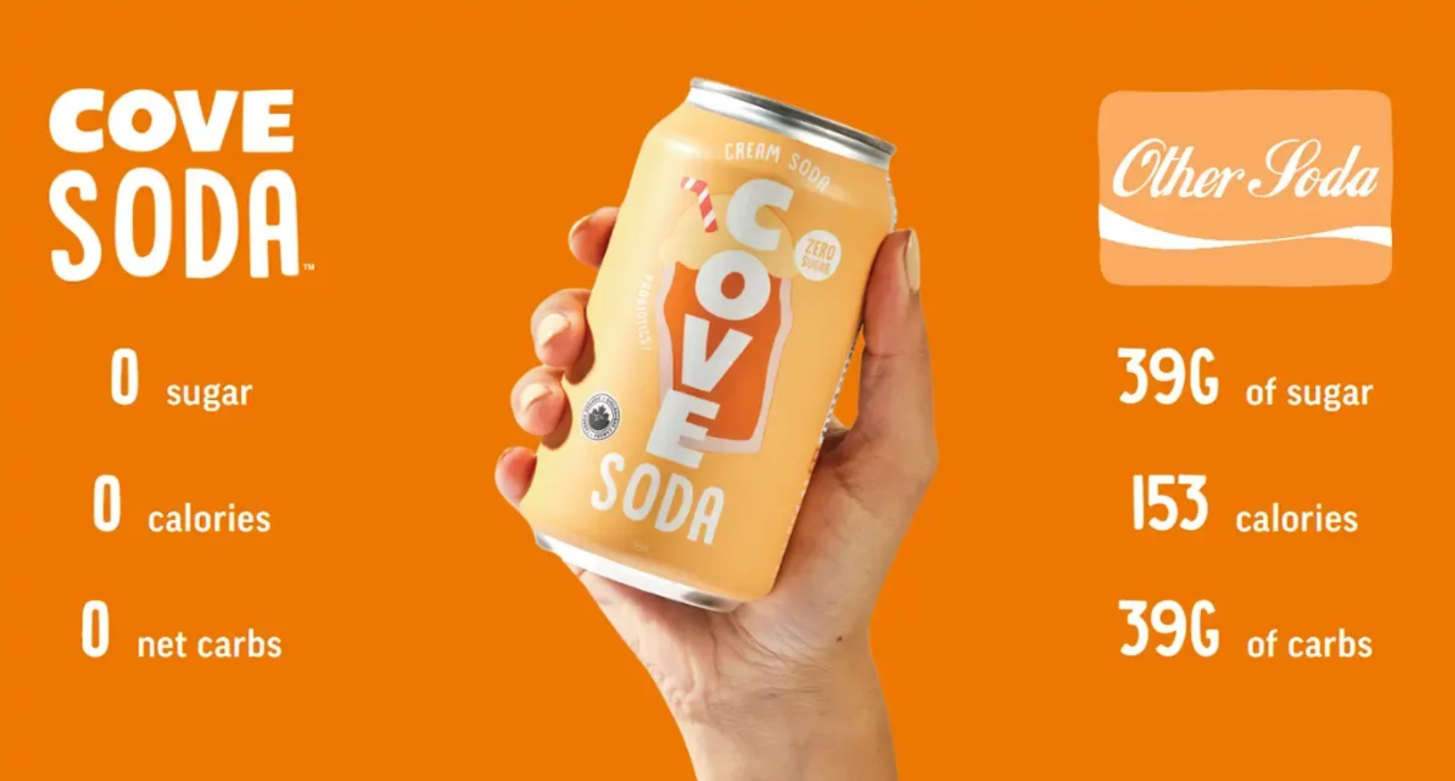
That's the space Cove walked into, and it's exactly why we made the bet we did. We weren't betting on "healthy soda" as a category — that education of the consumer had already been done by the brands that came before. We were betting on a team that saw the category had made a promise it wasn't fully keeping, and built toward the promise itself: zero sugar, not a few grams. Real probiotics, not prebiotic fiber standing in for them. Flavor that still tastes like the soda people grew up on, with nothing to apologize for on the label. Same shelf at Target, Whole Foods, Sprouts, Albertsons, Kroger, and Amazon that every other soda brand has been fighting over for years — just with nothing left for a customer to feel misled about.
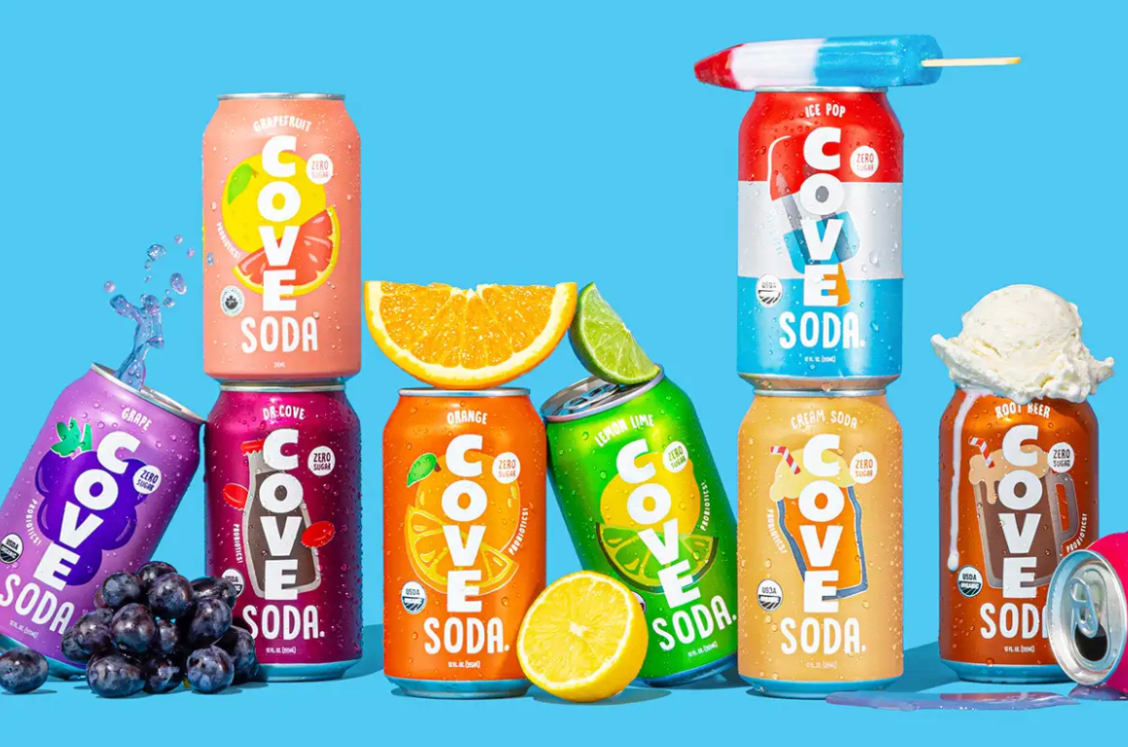
That's the actual lesson, and it's a more useful one than "find something nobody's tried." Somebody else's attention did the hard work of proving the demand existed. What we looked for, as investors, was the team that noticed where that demand had outrun what was actually being delivered — and had the conviction to build the version that closed the distance.
That's the part I'd tell any young founder to sit with. You don't need to be the one who spots the opportunity first. You need to be the one who's still paying attention after everyone else has decided the category is settled. The first mover proves people want something. The founder who wins is usually the one who asks what that first product still isn't quite getting right.
The hardest part of building something new isn't dreaming up something novel. It's convincing a customer to change a habit they've never had a reason to question. Revamping something that already has a customer, already has demand, already has a place in someone's routine — you skip that entire uphill climb. You're not creating a habit. You're finally delivering on one that already exists.
The market doesn't reward whoever showed up first. It rewards whoever actually delivers.
So before you go looking for the category that doesn't exist yet, look harder at the ones that already do — especially the ones where someone else already proved the demand and left the job half finished. Somewhere on a shelf, in a routine, in a drawer, there's a product people already want, sold by someone who didn't quite deliver on it. That's not a dead end. That's the whole opportunity, just waiting for someone to actually close it.
"I don't need to be the one who opens the category. I want to back the team that actually delivers on it."
— Paul Gravette
CEO & Founder, Gravette Capital