
Builders we learn from
These are the people whose work changes how we build, invest and spend our time. Each one is on the list for one specific reason, and each comes with a link so you can check the work yourself.
-

Photo: JD Lasica / Wikimedia Commons, CC BY 2.0. 1.Marc Andreessen
@pmarca
Marc Andreessen co-founded Netscape, then gave the next era its name in an August 20, 2011 Wall Street Journal essay that opens with one line: “Software is eating the world.” We still use that line as a test. When a slow, manual chore turns up in our week, we ask how software, and now AI, could eat it.
The work: “Why Software Is Eating the World,” The Wall Street Journal, Aug 20, 2011
-
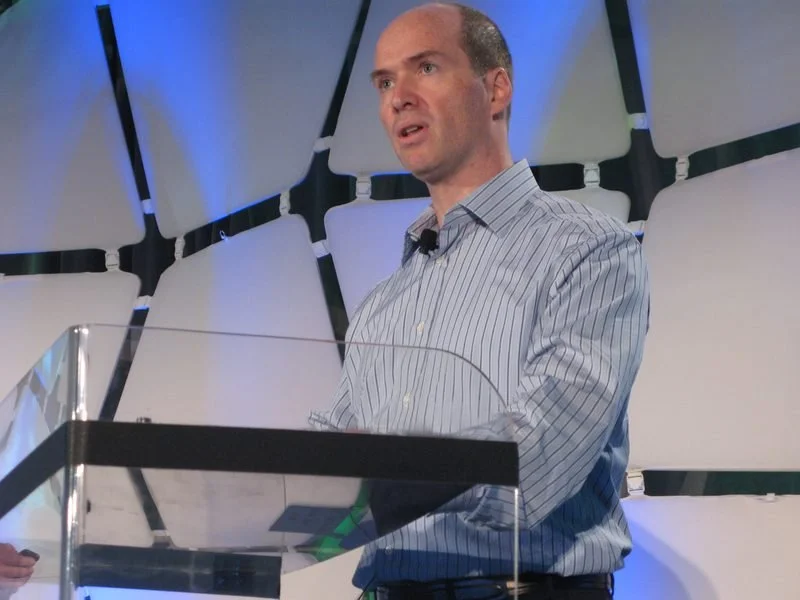
Photo: TechCrunch / Wikimedia Commons, CC BY 2.0. 2.Ben Horowitz
@bhorowitz
Ben Horowitz's book The Hard Thing About Hard Things: Building a Business When There Are No Easy Answers came out in March 2014, and it's still the most honest playbook we know for the days nobody posts about. When the plan runs out and judgment has to take over, this is the book we reach for.
The work: The Hard Thing About Hard Things, HarperCollins, on sale March 4, 2014
-

Photo: Robert Scoble / Wikimedia Commons, CC BY 2.0. 3.David Sacks
@DavidSacks
David Sacks founded Yammer, which Microsoft acquired for $1.2 billion, then founded the venture firm Craft Ventures, and he co-hosts the All-In podcast. We learn from the way he and his co-hosts pressure-test AI investing out loud. All-In episode E133 (June 16, 2023) gave a full segment to whether funding for AI startups was overheating and why constraints matter.
-

Photo: Gabor Cselle / Wikimedia Commons, CC BY 2.0. 4.Paul Graham
@paulg
Paul Graham's July 2013 essay “Do Things That Don't Scale” lays out the advice Y Combinator gives founders most often: recruit your first users by hand, then go out of your way to delight them. Our favorite part for everyday AI is this: solve the problem manually first, “and then gradually automate the bottlenecks.”
The work: “Do Things That Don't Scale,” paulgraham.com, July 2013
-
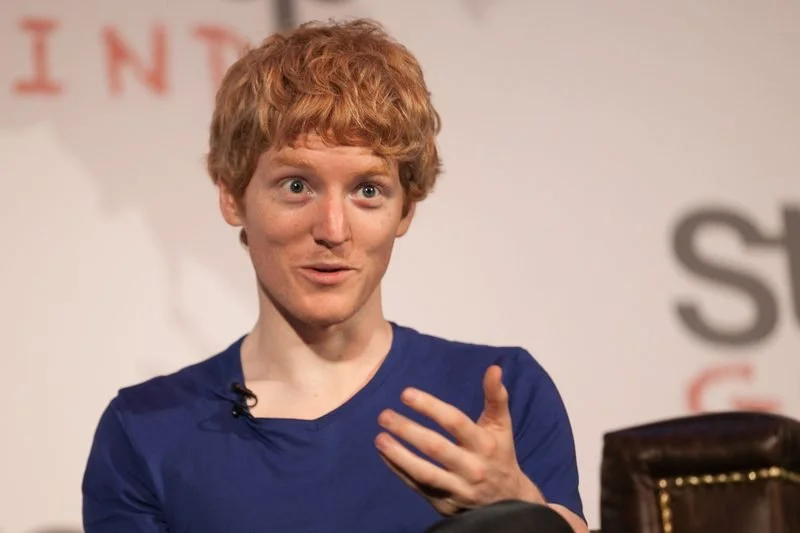
Photo: JD Lasica / Wikimedia Commons, CC BY 2.0. 5.Patrick Collison
@patrickc
Patrick Collison co-founded Stripe with his brother John and runs it as CEO. Paul Graham's essay “Do Things That Don't Scale” credits the brothers with the “Collison installation”: when someone agreed to try Stripe, they'd say “Right then, give me your laptop” and set them up on the spot. We love that cure for “later.”
The work: Paul Graham, “Do Things That Don't Scale” (July 2013), the section on recruiting users
-
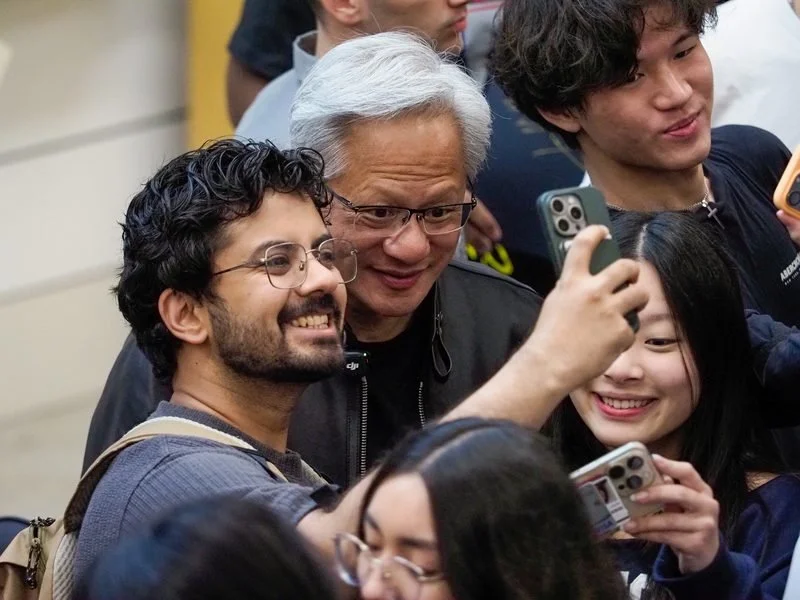
Photo: Anderseidesvik / Wikimedia Commons, CC BY-SA 4.0. 6.Jensen Huang
@nvidia · via the official NVIDIA account
Jensen Huang co-founded NVIDIA in 1993. In 2006 the company unveiled CUDA, which opened its graphics chips to general-purpose computing, and NVIDIA now describes CUDA's ecosystem as including thousands of generative AI companies. We learn from that kind of patient platform bet, made years before the payoff was obvious.
The work: NVIDIA corporate timeline (1993 founding; CUDA unveiled 2006)
Who's on your list?
Tag the builder who makes you better, and give us the one reason. We'll add our favorites to the conversation.